

What Is Norvasc and How Does It Work?
Norvasc belongs to a class of medications known as calcium channel blockers. It works by relaxing and widening blood vessels, making it easier for the heart to pump and improving blood flow. This action helps lower blood pressure, reducing the strain on the heart and decreasing the risk of heart-related complications. Norvasc is commonly prescribed to treat conditions such as hypertension (high blood pressure) and angina (chest pain). By blocking calcium from entering certain cells in the heart and blood vessels, Norvasc effectively dilates the arteries and reduces the workload on the heart muscle.
| Category: | Calcium Channel Blocker |
| Used to Treat: | Hypertension, Angina |
| Mechanism of Action: | Blocks calcium entry into heart and blood vessels |
| Main Benefits: | Lower blood pressure, Reduce heart strain |
Common Side Effects of Norvasc and Management.

It's essential to be aware of the potential side effects of Norvasc to ensure safe and effective treatment. Some common side effects may include dizziness, swelling in the ankles or feet, and flushing. Proper management strategies can help alleviate these symptoms and improve your experience with norvasc. If you experience any concerning side effects or if they persist, it's crucial to consult your healthcare provider for guidance and possible adjustments in your treatment plan. Managing side effects proactively can enhance your overall well-being while taking norvasc.
Interactions with Other Medications or Conditions.
Norvasc can interact with a variety of medications or medical conditions, potentially affecting its effectiveness or increasing the risk of side effects. It’s crucial to inform your healthcare provider about all medications, supplements, or health issues you have before starting Norvasc. Some medications like beta-blockers, diuretics, or ACE inhibitors may interact with Norvasc, leading to blood pressure fluctuations or heart rhythm disturbances. Additionally, certain conditions such as liver disease or heart failure may require dose adjustments or close monitoring when using Norvasc to ensure safety and optimal treatment outcomes. Regular communication with your healthcare team and diligent monitoring can help manage potential interactions and ensure the safe and effective use of Norvasc.
Dosage Guidelines and Important Precautions.
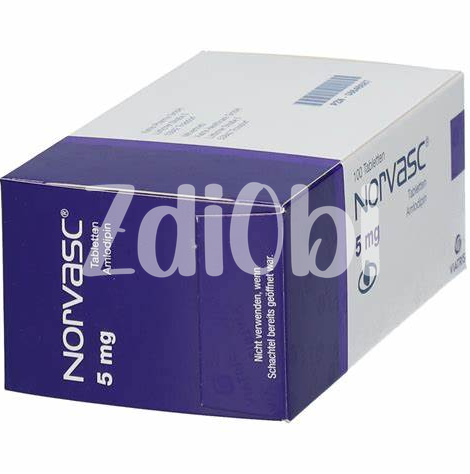
Norvasc is typically prescribed in tablet form, with the most common starting dosage being 5 mg once daily. The dosage may be adjusted by a healthcare provider based on individual response to the medication. It is crucial to follow the prescribed dosage and not increase or decrease it without medical advice to ensure optimal effectiveness and minimize the risk of side effects. Strict adherence to dosage guidelines is essential for managing blood pressure and angina symptoms effectively with Norvasc. Important precautions include informing your healthcare provider about any other medications, supplements, or health conditions to prevent potential interactions and complications.
Frequently Asked Questions about Norvasc.
In this section, we delve into the most commonly asked questions regarding Norvasc to provide you with comprehensive insights and guidance. These FAQs cover a range of topics from usage to potential interactions, ensuring you have a clear understanding of this medication. Let's address these inquiries to enhance your knowledge and ensure you feel confident in managing your health effectively.
1. Are there specific foods or drinks I should avoid while taking Norvasc? 2. Can I engage in physical activities or exercise routines while on Norvasc? 3. How long does it typically take for Norvasc to show noticeable results in blood pressure control? 4. What should I do if I accidentally miss a dose of Norvasc? 5. Are there any over-the-counter medications that may interact with Norvasc adversely? 6. Is it safe to consume alcohol while using Norvasc for hypertension management?
| FAQ | Answer |
|---|---|
| Specific Dietary Restrictions? | Additional salt intake may counteract the blood pressure-lowering effects of Norvasc. It's advisable to maintain a balanced diet. |
| Physical Activities? | Moderate exercise is usually safe. However, consult your healthcare provider before starting any new fitness regimen. |
| Onset of Action? | Norvasc may start lowering blood pressure within a few hours, but noticeable effects often take weeks to manifest fully. |
| Missed Dose? | If you forget a dose, take it as soon as you remember. If it's almost time for the next dose, skip the missed one. |
| OTC Interactions? | While certain OTC medications can interact with Norvasc, it's crucial to inform your healthcare provider about all drugs you're taking. |
| Alcohol Consumption? | Drinking alcohol in moderation is typically acceptable. However, excessive alcohol intake may lead to adverse effects. Consult your doctor for personalized advice. |
Tips for Optimizing the Effectiveness of Norvasc.
Optimizing the effectiveness of Norvasc is crucial for managing hypertension or angina. One key tip is to maintain a consistent routine when taking this medication. Setting a daily alarm or integrating it into your daily habits can help avoid missing doses. It's also important to follow up with your healthcare provider regularly to monitor your progress and make any necessary adjustments. Another tip is to stay informed about potential interactions with other medications or supplements you may be taking. Being proactive in understanding how Norvasc may interact with other substances can help prevent any negative effects. Lastly, incorporating healthy lifestyle habits such as a balanced diet and regular exercise can complement the effects of Norvasc in managing your condition.

Back Pain

Neck Pain

Joint Pain

Headaches

Migraines