

Nizoral's Effectiveness: Separating Truth from Fiction
Nizoral, a popular anti-dandruff shampoo, has been the subject of numerous claims regarding its effectiveness. While some swear by its ability to combat stubborn dandruff and improve scalp health, others remain skeptical about its true potential. To separate fact from fiction, it's essential to examine the scientific evidence behind Nizoral's active ingredient, ketoconazole, and its proven efficacy in treating various scalp conditions.
By understanding the mechanism of action and the results of clinical studies, consumers can make informed decisions about incorporating Nizoral into their hair care routine. It's crucial to distinguish between the myths and the facts surrounding this popular dandruff treatment to ensure realistic expectations and optimal results.
Common Misconceptions about Nizoral's Side Effects
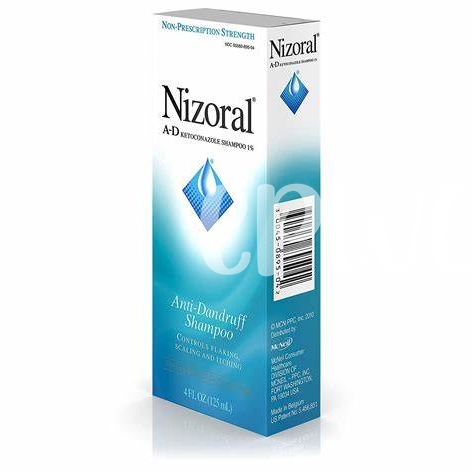
Despite its widespread use and proven efficacy, many people harbor misconceptions about Nizoral's potential side effects. Some erroneously believe that using Nizoral will lead to dry, irritated scalps or even hair loss. However, these concerns are largely unfounded, as Nizoral has been extensively tested and shown to be well-tolerated by the vast majority of users.
While a small percentage of people may experience mild irritation or itching when first using the product, these symptoms typically subside quickly as the scalp adjusts to the treatment. When used as directed, Nizoral is a safe and reliable solution for managing dandruff and maintaining a healthy, flake-free scalp without causing significant adverse reactions.
Nizoral Vs. Other Dandruff Treatments: a Comparison
When it comes to treating dandruff, Nizoral stands out from the crowd. Its potent formula, containing the antifungal agent ketoconazole, targets the root cause of dandruff—the fungus Malassezia. While other treatments may only provide temporary relief, Nizoral gets to the heart of the problem, offering long-lasting results.
Compared to over-the-counter dandruff shampoos that rely on zinc pyrithione or selenium sulfide, Nizoral's ketoconazole has been shown to be more effective in clinical studies. Its unique mechanism of action inhibits fungal growth, reducing inflammation and flaking associated with dandruff.
Moreover, Nizoral's gentle formula is suitable for various hair types and textures, making it a versatile choice for those seeking a reliable dandruff solution. Unlike some harsh alternatives that can dry out the scalp or cause irritation, Nizoral strikes a balance between efficacy and tolerance, ensuring a comfortable and effective treatment experience.
The Science Behind Nizoral's Active Ingredient, Ketoconazole
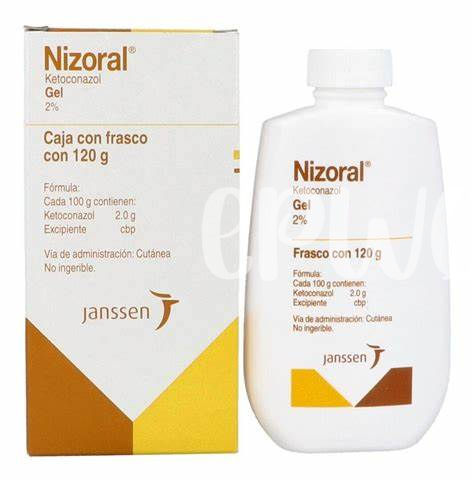
Nizoral's effectiveness in treating dandruff and other scalp conditions can be attributed to its active ingredient, ketoconazole. This synthetic antifungal compound works by inhibiting the growth of fungi, specifically the Malassezia species, which is known to contribute to the development of dandruff and seborrheic dermatitis.
Ketoconazole functions by disrupting the fungal cell membrane, thereby preventing the synthesis of ergosterol, a crucial component for maintaining the integrity and survival of fungal cells. By targeting the fungal cells directly, ketoconazole helps to reduce the population of Malassezia on the scalp, which in turn alleviates the symptoms associated with dandruff, such as flaking, itching, and irritation.
In addition to its antifungal properties, ketoconazole also possesses anti-inflammatory characteristics. This means that it can help to soothe the scalp and reduce redness and inflammation caused by dandruff or seborrheic dermatitis, providing relief from discomfort and promoting a healthier scalp environment.
Proper Usage and Application Tips for Optimal Results
To achieve the best results with Nizoral, it's essential to follow the recommended usage instructions. Apply the shampoo to wet hair, massaging it gently into the scalp and leaving it on for several minutes before rinsing thoroughly. This allows the active ingredient, ketoconazole, to penetrate the scalp and work effectively against dandruff-causing fungi.
For optimal outcomes, use Nizoral twice a week, spacing out the applications evenly. Consistency is key, as regular use helps maintain a healthy scalp and prevents the recurrence of dandruff symptoms. Remember to complement your Nizoral regimen with a balanced diet, proper hydration, and stress management techniques for a comprehensive approach to scalp health.
| Usage Frequency | Application Method |
|---|---|
| Twice a week | Massage into wet hair and scalp, leave on for several minutes, rinse thoroughly |
Nizoral's Potential Benefits Beyond Dandruff Treatment
While Nizoral is widely known for its effectiveness in treating dandruff, recent studies have shed light on its potential benefits beyond scalp health. Researchers have discovered that the active ingredient in Nizoral, ketoconazole, may possess antifungal and anti-inflammatory properties that could prove useful in addressing a variety of skin conditions.
One promising area of research explores the use of Nizoral in treating seborrheic dermatitis, a common skin disorder characterized by red, scaly patches on the face and body. Preliminary findings suggest that regular use of Nizoral may help alleviate the symptoms of this condition, providing relief for those who suffer from persistent skin irritation.
Additionally, some studies have indicated that Nizoral may be beneficial in managing certain types of acne. The antifungal properties of ketoconazole are thought to help reduce the growth of Malassezia, a type of yeast that can contribute to the development of acne. By controlling this fungal element, Nizoral may offer a complementary approach to traditional acne treatments.
Furthermore, Nizoral's potential benefits extend to the realm of hair care. Some individuals have reported that using Nizoral as a hair shampoo has led to improved hair thickness and reduced hair loss. While more research is needed to fully understand the mechanisms behind these effects, the possibility of Nizoral providing additional hair health benefits is an intriguing prospect for many.

Back Pain

Neck Pain

Joint Pain

Headaches

Migraines